

BDSM clothes are purpose-built garments and accessories designed to express kink identities, support power dynamics, and combine fashion with functional features for psychological impact. The category spans everything from full leather harnesses and latex bodysuits to soft unisex tees that signal community roles like “Dominant” or “Submissive” without a single piece of fetish hardware in sight. What makes kink apparel distinct from costume wear is intent: each piece serves a psychological, symbolic, or functional purpose within a BDSM context. Findomattire approaches this space through alt streetwear that blends subtle power signaling with everyday wearability.
What are the main types of BDSM clothing and accessories?
BDSM clothes fall into two broad categories: scene-specific gear and identity apparel. Scene gear is built for active play. Identity apparel is built for daily life. Both matter, and most people who are serious about kink fashion own pieces from each category.
Scene-specific gear includes:
- Collars: The most recognized symbol of ownership and submission. Collars range from thin leather day collars to wide posture collars for formal scenes.
- Restraints and cuffs: Wrist and ankle cuffs in leather or padded nylon. Adjustable sizing is a non-negotiable feature for safety and comfort during extended wear.
- Harnesses: Body harnesses in leather or vegan leather sit over clothing or bare skin. They function as both a visual statement and a physical anchor point.
- Gags and blindfolds: Sensory restriction tools that are part of many scene kits. A standard bondage travel kit contains 10–14 pieces, including collars, cuffs, a leash, a blindfold, a ball gag, and a flogger, all crafted from genuine leather with nickel-free hardware.
- Fetish clothing: Latex bodysuits, PVC corsets, leather jackets, and body-con dresses worn during scenes or events.
Identity apparel covers kink-themed t-shirts, hoodies, and casual pieces made from soft fabrics. These garments let people express their roles in everyday settings without overt fetish aesthetics. The Who We Be collection is a recognized example: unisex tees that use premium soft fabric to communicate BDSM roles discreetly.
Pro Tip: Start with one signature piece that reflects your role before building out a full wardrobe. A well-chosen collar or harness communicates more than a closet full of generic fetish gear.
How do BDSM clothes enhance psychological expression and power dynamics?
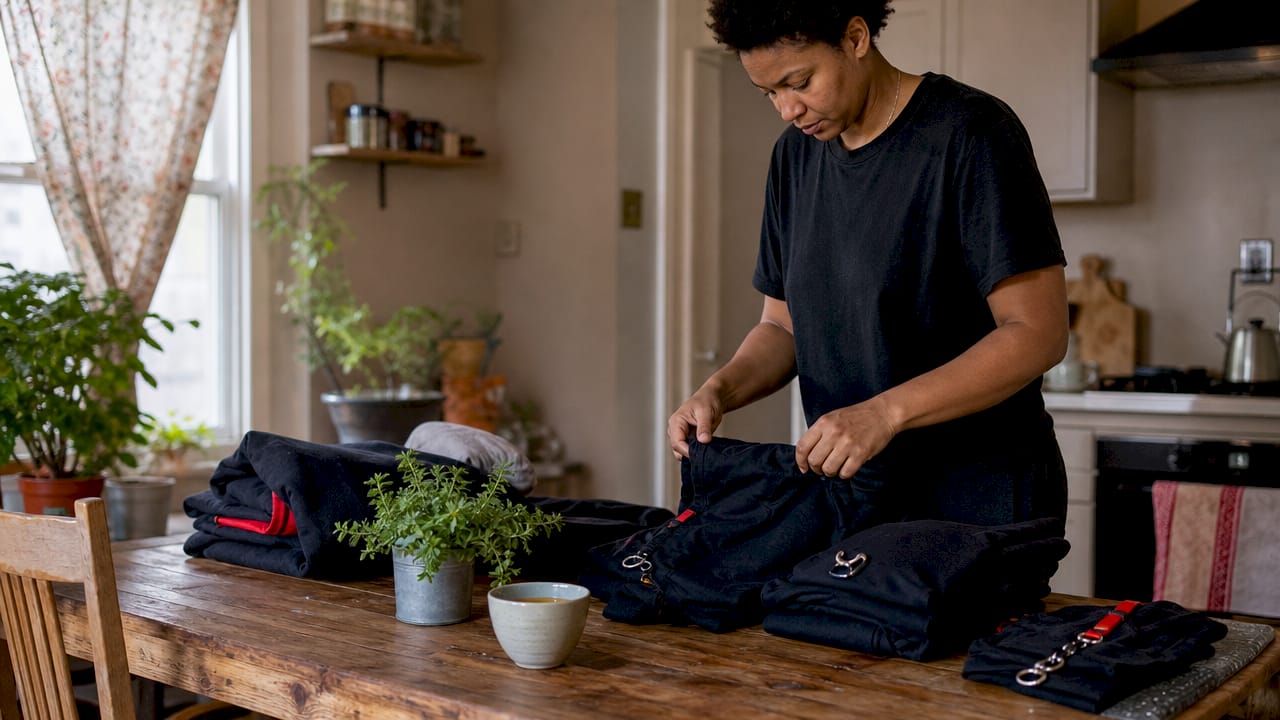
BDSM attire functions as a costume that triggers a psychological shift. Putting on specific garments signals to the brain that a role transition is happening. This is not metaphor. It is a documented behavioral mechanism where clothing activates role-specific headspace, making dominance or submission feel more immediate and real.
“Clothing acts as a signal and trigger for dominance or submission, where pieces like collars and harnesses amplify role embodiment. BDSM fashion is more than appearance — it is an extension of psychological states, helping wearers shift into desired power roles instantly.”
The psychological effect works through four key mechanisms:
- Symbolic ownership: A collar worn by a submissive communicates a power relationship without a word being spoken. The physical weight and presence of the collar reinforces the dynamic continuously.
- Authority signaling: Leather jackets and structured harnesses on a Dominant create a visual hierarchy that both partners respond to psychologically.
- Sensory activation: Latex and PVC create tactile feedback with every movement. That constant sensory input keeps the wearer anchored in their role throughout a scene.
- Stealth expression: Subtle design cues like hardware accents, cutouts, and non-fetish fabrics allow kink identity to show in professional or social settings without overt fetish appearance.
The distinction between stealth kink wear and full fetish gear is practical, not hierarchical. A person might wear a discreet day collar to work and a full leather harness to a play party. Both serve the same psychological function at different intensities.
What materials are used in BDSM clothing and how do they affect comfort?
Material choice defines the experience of wearing BDSM clothes. Each fabric has a specific psychological role, practical maintenance requirement, and comfort profile.
| Material | Psychological role | Care requirements | Key consideration |
|---|---|---|---|
| Genuine leather | Authority, durability, dominant aesthetic | Periodic conditioning, dry storage | Ages well; develops patina with use |
| Vegan leather | Similar visual impact, cruelty-free | Wipe clean, avoid heat | Less breathable than genuine leather |
| Latex | Fetish feel, submissive activation, high visual impact | Talcum powder, no sunlight, no oils | Allergy risk; requires careful storage |
| PVC | Similar to latex, lower cost | Wipe clean, avoid sharp objects | Less elastic; easier to maintain |
| Soft cotton/jersey | Everyday identity expression, comfort | Machine wash | No scene functionality; ideal for casual kink wear |
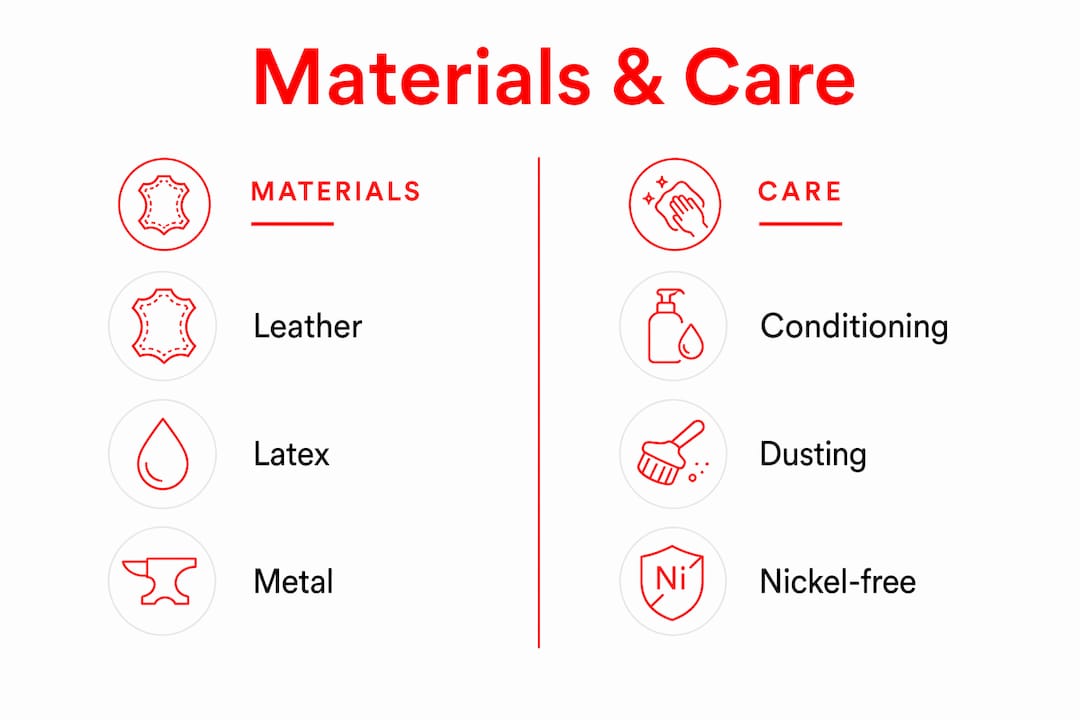
Leather is the iconic dominant uniform, symbolizing power and authority. Latex fulfills a different role: its tactile, second-skin quality activates a fetish aesthetic that many submissives associate with their headspace. Latex clothing requires dusting with talcum powder before wearing, storage away from sunlight, and strict avoidance of oil-based products, which degrade the material rapidly.
Hardware matters as much as fabric. Nickel-free metal is the standard for bondage gear because nickel allergies are common and prolonged skin contact with nickel hardware causes irritation during extended wear.
Pro Tip: Condition genuine leather every 3–4 months with a dedicated leather conditioner. Neglected leather cracks and loses structural integrity, which matters for harnesses and cuffs used as anchor points.
How to choose and build a BDSM wardrobe for your kink identity
Building a kink wardrobe works best when you start with role-defining pieces and expand from there. Quantity is not the goal. Psychological resonance is.
- Identify your primary role. Dominant, submissive, switch, and findomme each have distinct visual languages. A Dominant wardrobe leans toward structured leather, dark colors, and commanding silhouettes. A submissive wardrobe often includes collars, soft restraints, and body-exposing pieces.
- Start with three anchor pieces. A collar, a harness, and one identity garment cover most situations. These three items work across scenes, events, and casual settings.
- Prioritize adjustability. Wrist cuffs that fit a range of sizes accommodate body changes and work for multiple partners. Fixed-size gear limits versatility and resale value.
- Balance stealth and statement. Stealth kink apparel incorporates subtle hardware accents and non-fetish fabrics, letting you signal your identity without compromising daily discretion. Statement pieces like a full body harness or a BDSM jacket belong in your wardrobe too, but they serve a different context.
- Mix kinky pieces with everyday clothing. A leather harness worn over a plain white t-shirt reads as fashion-forward in most urban settings. A role-signifying tee from a brand like Findomattire communicates identity without requiring any explanation.
The psychology of aesthetics in kink fashion is clear: the right garment does not just look good. It changes how you carry yourself and how others respond to you.
What practical considerations matter when wearing BDSM clothes?
Safety and comfort are not afterthoughts in BDSM clothing. They are design requirements. The best kink apparel blurs the line between fashion and function, but that balance only works when practical details are handled correctly.
- Quick-release features: Velcro closures, snaps, and zippers allow fast removal in emergencies. Laces and buttons are aesthetically appealing but create risk if a scene escalates unexpectedly. Always verify that restraints and collars have a quick-release mechanism before use.
- Heat and breathability: Latex and PVC trap body heat. Scenes in these materials require shorter duration, hydration breaks, and cool environments. Leather breathes better but still retains heat during physical activity.
- Skin irritation prevention: Test new materials against a small skin area before full wear. Nickel allergies, latex allergies, and dye sensitivities are all common. Hypoallergenic hardware and tested fabrics reduce risk significantly.
- Hygiene protocols: Clean all gear before and after use. Leather wipes down with a damp cloth and conditions with leather-specific products. Latex requires a rinse with warm water and mild soap, followed by talcum powder before storage. Fabric pieces machine wash on a gentle cycle.
Pro Tip: Keep a small emergency kit near your scene space: safety scissors, a spare key for any locking hardware, and a clean cloth. Preparation is what separates a good scene from a dangerous one.
Key Takeaways
The most effective BDSM wardrobe combines role-specific anchor pieces, material-appropriate care, and a balance of stealth and statement garments that support both daily identity expression and active scene use.
| Point | Details |
|---|---|
| Role-defining anchor pieces | Start with a collar, harness, and one identity garment to cover most kink contexts. |
| Material determines experience | Leather signals authority; latex activates sensory headspace; soft fabrics enable daily kink expression. |
| Safety features are non-negotiable | Quick-release closures and nickel-free hardware protect comfort and safety during extended wear. |
| Stealth and statement both matter | Subtle kink wear signals identity in daily life; statement gear serves scenes and events. |
| Care extends garment life | Latex needs talcum powder and shade storage; leather needs periodic conditioning to stay functional. |
Why I think most people get BDSM fashion backwards
Most people building a kink wardrobe start with the most dramatic piece they can find. A full latex suit. An elaborate bondage harness. A BDSM jacket covered in hardware. Then they wear it once, find it impractical, and it sits in a drawer.
The pieces that actually change how you feel are the quiet ones. A well-fitted collar you wear every day does more psychological work than a full scene kit you pull out twice a year. The weight of it, the presence of it, the way it sits against your skin: that is where the real power dynamic lives. High-quality BDSM apparel deepens the wearer’s experience by reinforcing ownership, control, or submission dynamics continuously, not just during scenes.
Fit and quality matter more than quantity. One piece of genuine leather that fits your body correctly outperforms five pieces of poorly made gear every time. The same logic applies to identity apparel: a well-designed role-signifying tee that you actually wear in public does more for your kink identity than a closet full of gear you never put on.
My honest advice: buy less, buy better, and wear it. The psychological impact of BDSM fashion only activates when the garment is actually on your body.
— Renee
Findomattire’s collection for kink identity and power dynamics
Findomattire offers kink apparel that works across both daily wear and scene contexts, built for people who want their clothing to communicate something real.

The Findomattire collection includes role-signifying pieces in premium fabrics, from casual identity tees to statement outerwear designed for the findom and broader BDSM community. Each piece is built for wearability without sacrificing the psychological weight that makes kink fashion meaningful. The signature hoodie is a strong starting point: premium fabric, a clear identity signal, and a silhouette that works in everyday settings. Browse the full range at Findomattire to find pieces that fit your role and your wardrobe.
FAQ
What are BDSM clothes exactly?
BDSM clothes are garments and accessories designed to express kink identities, support power dynamics, and provide functional features for BDSM activities. They range from leather harnesses and latex bodysuits to soft identity tees that signal roles like Dominant or Submissive.
What is the best material for BDSM clothing?
Leather is the standard for Dominant aesthetics and durability, while latex delivers a fetish feel that activates submissive headspace. Soft fabrics like cotton work best for everyday identity expression and casual kink wear.
How do I care for latex and leather BDSM garments?
Latex requires dusting with talcum powder, storage away from sunlight, and no contact with oil-based products. Leather benefits from periodic conditioning and dry storage to prevent cracking.
What safety features should BDSM clothes have?
Quick-release closures like velcro, snaps, and zippers are the standard for restraints and collars. Nickel-free hardware prevents allergic reactions during extended wear, which is a key consideration for cuffs and collars used in longer scenes.
Can BDSM clothes be worn in everyday settings?
Yes. Stealth kink wear uses subtle hardware accents, non-fetish fabrics, and discreet design cues to signal kink identity without overt fetish appearance. Role-signifying tees and day collars are common examples of bondage clothing adapted for daily use.